News
What the Budget means for Uttlesford: a round-up
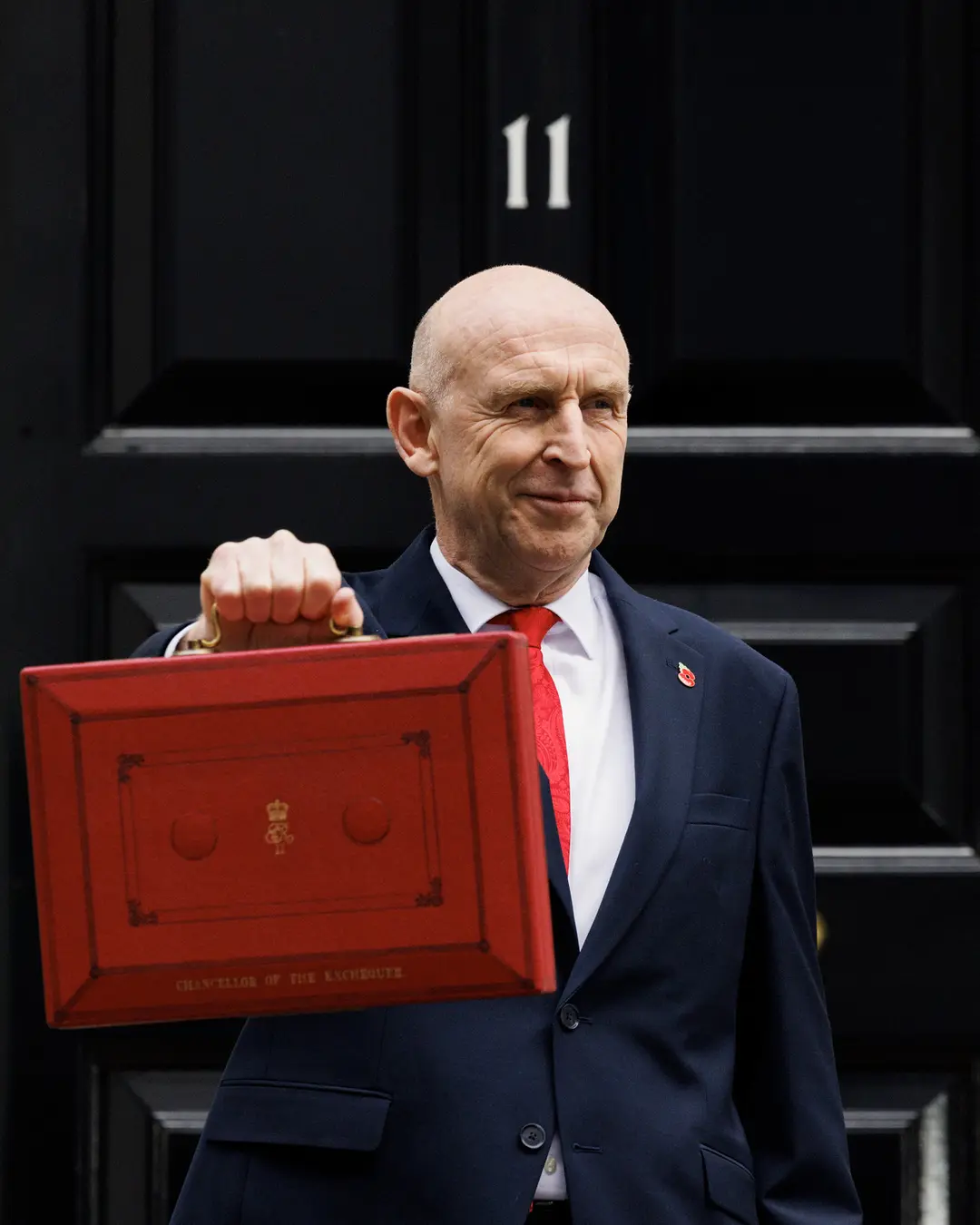
Wednesday’s Budget was a Budget of small changes: a bit off one bill, a bit more for one scheme. As our Treasury spokesperson Ellie Chowns put it, it chose “to tinker round the edges, rather than properly taxing extreme wealth and profits”. Some of those small changes still matter here, though. This is what it means for Uttlesford:
Energy bills
- £100 for homes in council tax bands A to D, paid by councils from January. Only 55% of homes in Uttlesford are in those bands, the lowest share in Essex, so nearly half of homes here won’t get it. Councils in England will also share £100m to help households “acutely impacted by rising energy bills”, some of them in higher bands. How that will work here isn’t known yet.
- No VAT on household electricity until 1 July 2027, three months longer than planned.
- Heating oil: from 26 November, the Government is suspending import tariffs on kerosene heating oil until the end of 2028. It hasn’t said how much that might take off the price of a litre.
- Gas standing charges: the Government has asked Ofgem to abolish them on household bills, “aiming for delivery by the end of 2027 or as soon as possible after then”. Suppliers will recover the cost through the price of each unit of gas instead. That won’t help the more than a quarter of homes here that aren’t on the gas grid.
Farms
- Inheritance tax: no change. The allowance for farms and family businesses at full relief stays at £2.5m next year. What it means for farms here.
- Red diesel: the 3.7p cut in duty is extended to 1 July 2027. After that, the duty goes back to its rate before March 2022, rising with inflation: from 6.48p a litre to 11.65p.
- Fertiliser: import tariffs are suspended until the end of 2027.
Homes
- Social rent: an extra £1.5bn for “around 10,000 homes in England”, “prioritised for Social Rent, especially council homes”. Councils will also keep cheaper borrowing for building council homes for another year.
- Warm homes: the Government is saving £1bn of capital grant from the Warm Homes Plan, its programme for insulation and cleaner heating. It says “the majority” of the money for low-income households and social housing, which goes through mayors and councils, is protected. It doesn’t say how much.
- First-time buyers: a new scheme, Your First Home, will lend 20% of the price of a new-build home. Pre-registration opens by the end of December. Each council area gets a price cap, and Uttlesford’s hasn’t been published yet.
- Homes worth £2m or more: the High Value Council Tax Surcharge, a new yearly charge on their owners announced at last year’s Budget, still starts in April 2028. This Budget confirmed that it will come with a scheme to defer it, some discounts and exemptions, and a 100% premium on homes left empty for a year or more.
Buses and driving
- £2 bus fares are confirmed for 2027: single fares on participating services in England outside London are capped at £2 for a year from 1 January, down from £3 now.
- Fuel duty: the 5p-a-litre cut on petrol and diesel is extended to 1 July 2027, and the planned rise with inflation is put off until then.
Pubs, shops and cafés
- Business rates go down for many high-street businesses from April 2027, with more relief for pubs and for small shops, cafés and other hospitality businesses. What changes for pubs, shops and cafés.
Wages and pensions
- The National Living Wage rises by 3.9%, to £13.21 an hour from 1 April 2027.
- Pensioners: from April 2027 until April 2030, a new Pension Tax Allowance means people over State Pension age whose whole income is no more than the full new State Pension won’t have to pay income tax on it.
- The State Pension: from April 2030, the Triple Lock is to be adjusted so that, over time, the State Pension “will track earnings”.
SEND
- Councils’ SEND deficits: from April 2028, the extra costs of special educational needs and disabilities (SEND) are to be met from the Department for Education’s own budget, instead of building up as deficits on councils’ books. The Government has already agreed to clear most of Essex County Council’s deficit up to March 2026. The Budget doesn’t say what happens to deficits built up this year and next. More on what it means for Essex.
Councils, and an Essex mayor
- A Greater Essex mayor: the Budget names Greater Essex among the areas “at the forefront of the government’s ambitious programme to expand devolution”. It doesn’t say when the first mayor will be elected. The election was moved to May 2028 last December, but a report to the Cabinet of Uttlesford District Council (UDC) on 15 October says it is “currently timetabled for May 2029”.
- Nothing new on Essex’s councils: the Budget doesn’t mention reorganisation here, which the Government is reviewing. Next May’s local elections go ahead on existing council boundaries.
- Council funding: by the end of the decade, the Government intends councils to keep at least 70% of the business rates collected in their areas, in place of grants. UDC’s figures for next year were set out provisionally in February’s three-year funding settlement. The Government will confirm them, and say more about business rates, in the settlement later this year.
What wasn’t in it
It wasn’t the “genuinely bold Budget” Greens had called for. Before it, Green MPs and party leaders wrote to the Chancellor with a plan to raise over £60bn by “taxing extreme wealth and profits fairly”, including:
- an annual wealth tax of 1% on assets over £10m, and 2% over £1bn;
- taxing capital gains at the same rates as income;
- a windfall tax of 38% on the biggest banks.
None of these is in the Budget. The nearest is a temporary rise in the extra tax on banks’ profits, from 3% to 6% for 15 months, to help pay for the £100 energy payment to homes in bands A to D.
Nor is the help with essentials that Greens asked for: no rise in the Warm Home Discount to up to £650, no emergency brake on rents or end to the freeze on housing benefit rates (the Local Housing Allowance), no free bus travel for under-22s, no free school meals for every child, and no move to put failing water companies into special administration. And, as Ellie Chowns said afterwards, there was “no discussion of the climate crisis” in the Chancellor’s speech, “nor any new investment in renewables and climate adaptation”. The official forecast behind the Budget even counts on oil and gas from the Rosebank field, which is still waiting for consent.
Closer to home, there was nothing new on Thames Water, or on farm payments for nature (the Sustainable Farming Incentive).
Where Greens stand
- Energy bills. Help with bills is welcome, but, as our 2024 manifesto says, “the cheapest bill is the one you don’t have to pay”. Greens want a council-led, street-by-street programme to insulate homes and fit cleaner heating. Cutting £1bn from the Warm Homes Plan is a step the wrong way.
- Council tax. Bands still rest on what homes were worth in 1991, and say nothing about what a household earns. Greens want the bands re-evaluated “to reflect big changes in value since 1990s”, and in the long run a fairer tax on land.
- Homes. Greens would go much further on social rent: 150,000 new social homes a year, and an end to the right to buy, so that they stay homes for the community.
- Farms, pubs and shops. There’s more on where Greens stand in the posts on farms and business rates.
- Buses. Greens want to bring buses “back into public control”, with “free fares for everyone under 22”.
- Wages and pensions. Greens want “a minimum wage of £15 an hour for all, no matter your age”, with help for small businesses to pay it, and pensions that are “always uprated in line with inflation and keep pace with wage rises across the economy”.
- SEND and councils. Greens would put £5bn into SEND support in mainstream schools, so that councils “have the funds to properly support SEND students”, and £5bn a year more into local government.
You can read the national party’s full response to the Budget.
Sources
HM Treasury
- Budget 2026 — the Budget report (HC 726), 28 October 2026.
- Budget 2026: Policy costings — supporting document, 28 October 2026.
- The Fiscal Devolution Roadmap — 28 October 2026.
Green Party
- Real Hope. Real Change. — manifesto for the general election, June 2024.
- Greens call for ‘boost for buses’ as Zack Polanski announces latest affordability pledge — press release, 5 May 2026.
HM Revenue & Customs
- Budget 2026: Overview of tax legislation and rates, Annex A: rates and allowances — 28 October 2026.
Department for Energy Security and Net Zero
- Subnational estimates of properties not connected to the gas network — statistics, updated 18 December 2025.
- Rosebank Field Development: public consultation notice — Offshore Petroleum Regulator for Environment and Decommissioning (OPRED), July 2026.
Office for Budget Responsibility
- Economic and fiscal outlook – October 2026 — 28 October 2026 (para 4.27).
Ministry of Housing, Communities and Local Government
- Final Local Government Finance Settlement: England, 2026-2027 to 2028-2029 — February 2026.
- Review of local government reorganisation launched — news release, 7 September 2026.
- Your First Home — factsheet, 28 October 2026.
Epping Forest District Council
- Greater Essex Mayoral election delayed — news, 4 December 2025.
Uttlesford District Council
- Report to Cabinet — Cabinet, 15 October 2026.